
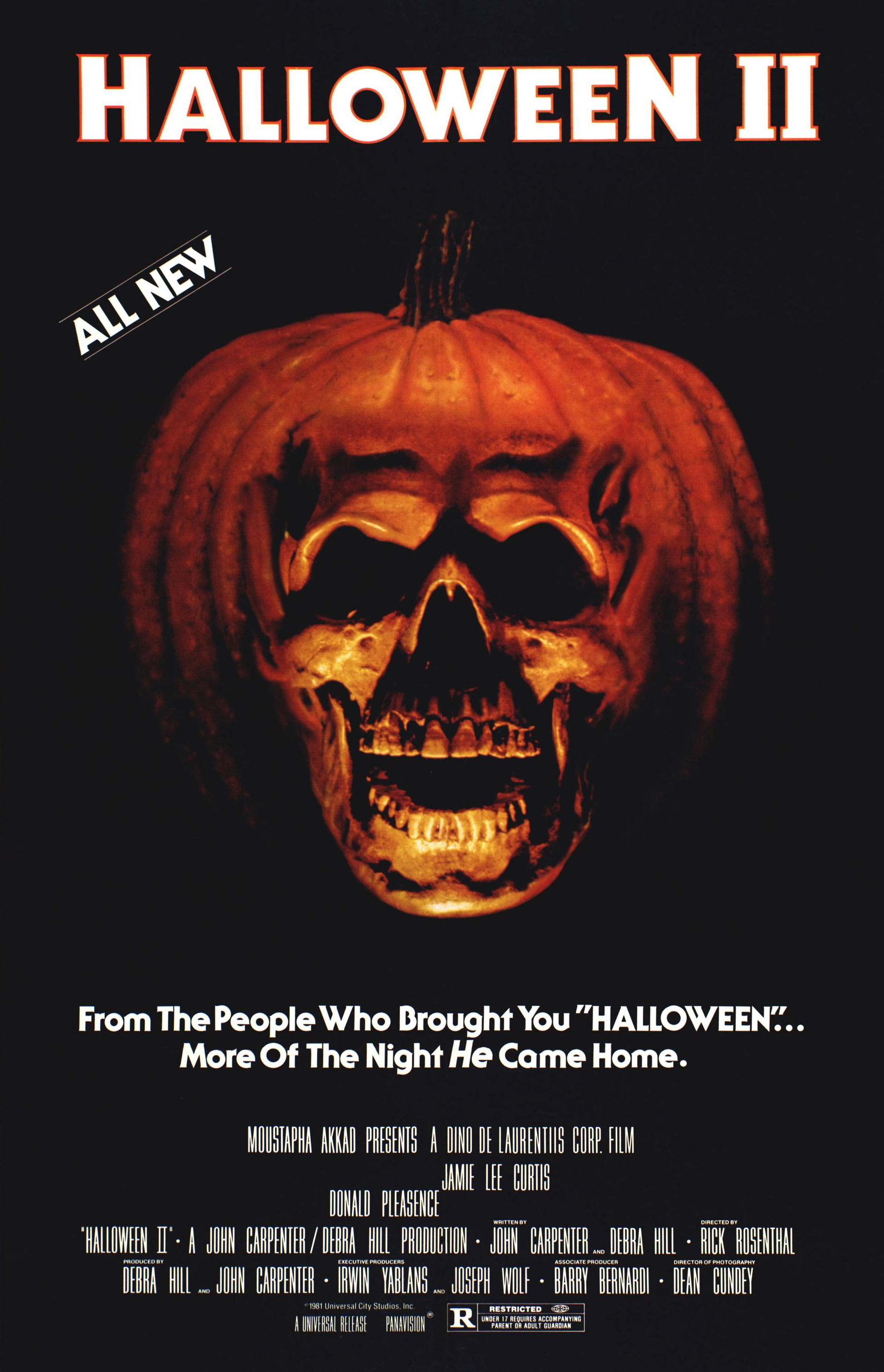
 Director: Rick Rosenthal
Starring: Jamie Lee Curtis, Donald Pleasance, Charles Cyphers, Dick Warlock
“He was my patient for fifteen years. He became an obsession with me until I realised there was neither reason nor conscience or anything about him that was even remotely human. An hour ago I stood up and fired six shots into him and he just got up and walked away. I am talking about the real possibility that he is still out there.” (Dr Loomis, Halloween II)
Everyone (including me) always goes on about how incredible the first Halloween was, and with good reason. It was a landmark in horror history and one of the first true pioneers of the slasher genre. It’s understandable then that its sequel doesn’t get quite as much recognition but it’s a shame because while it isn’t quite as innovative or genre-defining as its predecessor it’s still a strong slasher and a decent conclusion to what John Carpenter had only ever intended to be a two-film story.
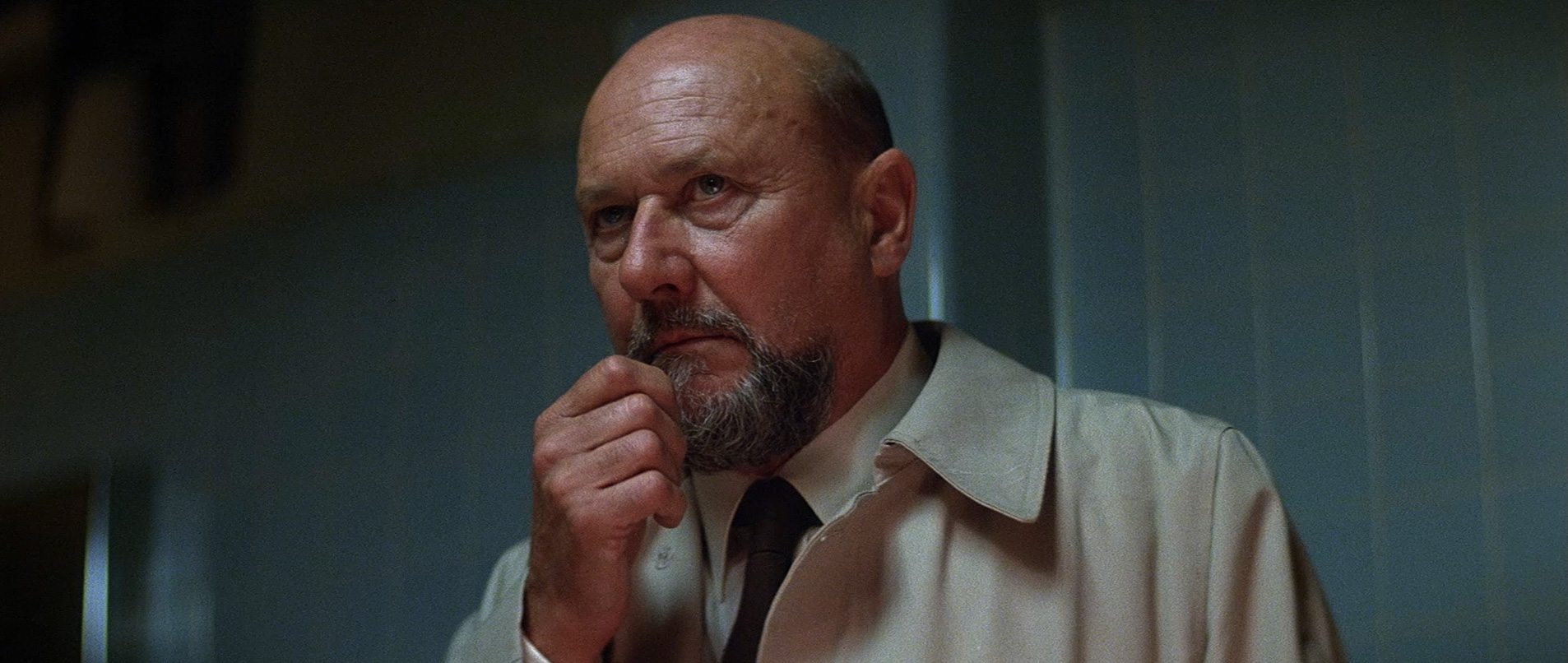
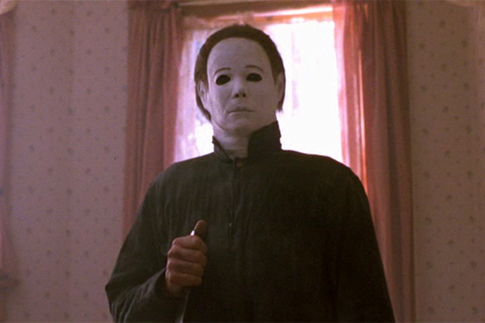
Carpenter only wrote Halloween II, this time passing the directing duties to newcomer Rick Rosenthal. The film’s first five minutes are a recap of the last five minutes of its predecessor, reminding us of the final confrontation between Laurie Strode (Jamie Lee Curtis) and Michael Myers, and the eventual saving of the day courtesy of Dr Sam Loomis (Donald Pleasance). After the original film’s ending, with Loomis firing six shots into Myers (though some dodgy editing means this time he actually shoots him seven times) and “the Shape” legging it, the rest of the film then takes place from that immediate point on and shows what happens over the rest of the night.
As Laurie is taken to the nearby hospital to be treated for her injuries from her scrap with Myers, Dr Loomis and the Haddonfield rozzers continue their search for him. While in theory this shouldn’t be too hard – after all, they just have to look for the guy with six or seven gunshot wounds – it turns out they’re wasting their time, because Myers is actually at the hospital, trying to find Laurie and kill her. Continue reading “Halloween II (1981) review”





 That Was A Bit Mental